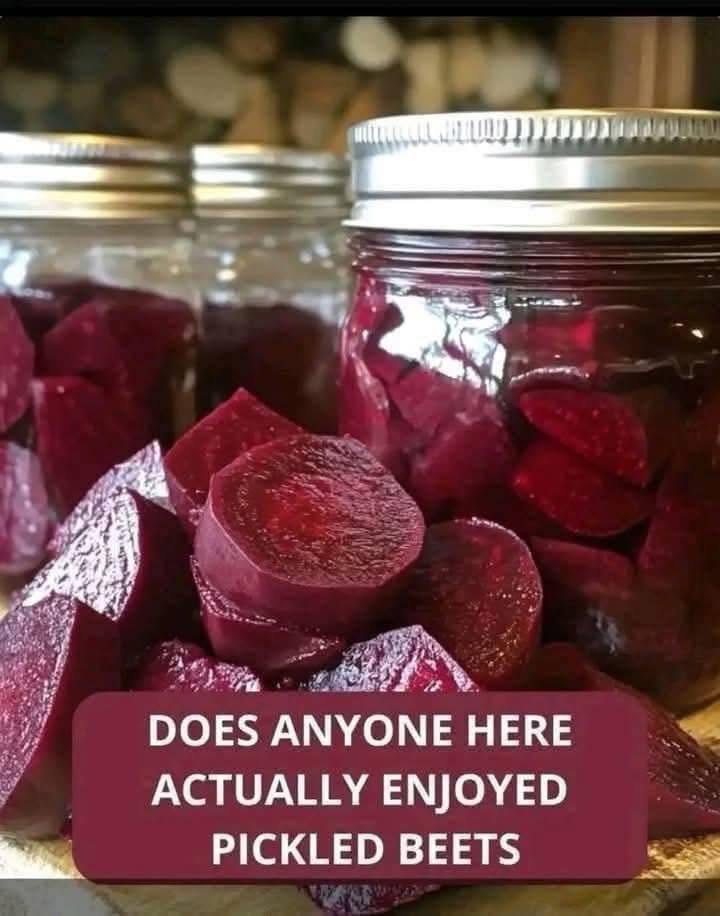
3 pounds fresh beets, medium size, tops trimmed to 1 inch
Water for boiling For the brine:
2 cups apple cider vinegar, 5 percent acidity
1 cup water
1 cup granulated sugar
2 teaspoons pickling salt or kosher salt, not iodized
1 cinnamon stick
6 whole cloves
4 allspice berries
1 teaspoon mustard seeds
1 small red onion, thinly sliced, optional Equipment
Large pot with lid for boiling beets
3 pint size glass mason jars with lids and bands, sterilized
Small saucepan for brine
Tongs
Canning funnel, optional but helpful Instructions Step 1: Cook the beets
Scrub beets well under cold water. Leave the skin on and keep 1 inch of stem attached. This prevents color bleed and keeps them from getting waterlogged.
Place beets in a large pot and cover with water by 2 inches. Bring to a boil, then reduce to a simmer.
Cook for 30 to 45 minutes depending on size. Beets are done when a knife slides easily into the center.
Drain and rinse under cold water. When cool enough to handle, slip the skins off using your hands or a paper towel. The skins should come off easily. Trim the root and stem ends.
Slice into 1/4 inch rounds or cut into 1 inch wedges. Uniform size helps them pickle evenly. Step 2: Prepare jars and onions
Sterilize jars by washing in hot soapy water, then place in boiling water for 10 minutes or run through a hot dishwasher cycle. Keep jars hot until filling.
If using red onion, divide slices evenly between the bottom of each jar. Step 3: Make the brine
In a small saucepan, combine apple cider vinegar, water, sugar, salt, cinnamon stick, cloves, allspice, and mustard seeds.
Bring to a full boil, stirring to dissolve sugar and salt. Boil 2 minutes, then reduce to low and keep hot. Step 4: Pack and fill
Pack sliced beets into hot jars, leaving 1/2 inch headspace at the top. Do not press too hard or they will bruise.
Remove cinnamon stick from brine and discard or add 1/3 piece per jar. Ladle hot brine over beets, covering them completely and maintaining 1/2 inch headspace. A few cloves and allspice berries in each jar is fine.
Run a clean knife or chopstick around the inside of each jar to release air bubbles.
Wipe jar rims with a clean damp cloth. Place lids on and screw bands on fingertip tight. Step 5: Chill and wait
Let jars cool to room temperature, about 1 hour.
Refrigerate for at least 24 hours before eating. Flavor is best after 3 to 7 days.
Keeps in the refrigerator for up to 3 months. Shelf Stable Canned Version If you want jars that last 12 to 18 months in the pantry, you must process them in a water bath canner. The recipe above is safe for water bath canning because the vinegar ratio makes it acidic enough. Additional steps for canning:
Follow steps 1 to 4 above, but leave 1/2 inch headspace.
Process filled jars in a boiling water bath for 30 minutes for pints, adjusting for altitude. At 1001 to 6000 feet, process 35 minutes. Above 6000 feet, process 40 minutes.
Turn off heat, remove canner lid, wait 5 minutes, then remove jars. Cool 12 to 24 hours. Check seals. Store in a cool dark place. Only use tested canning recipes and do not reduce vinegar or increase water. For safety, consult the USDA Complete Guide to Home Canning or your local extension office. Recipe Variations
Honey Balsamic Pickled Beets Replace apple cider vinegar with 1 cup balsamic vinegar plus 1 cup white vinegar. Replace sugar with 3/4 cup honey. Add 2 sprigs fresh rosemary to the brine. The balsamic gives a deeper, less sharp flavor that pairs well with goat cheese.
Spicy Ginger Pickled Beets Add 3 tablespoons fresh sliced ginger and 1 teaspoon red pepper flakes to the brine. Omit cinnamon and cloves. This version is bright and has heat. Good for grain bowls and tacos.
Dill and Garlic Pickled Beets Add 3 garlic cloves, smashed, and 4 sprigs fresh dill to each jar before adding beets. Use white vinegar instead of cider and skip the warm spices. Add 1 teaspoon dill seed to the brine. This is similar to a dill pickle profile.
No Sugar Pickled Beets For a less sweet version, reduce sugar to 1/4 cup or use 1/4 cup maple syrup. Increase salt to 1 tablespoon. The beets themselves provide sweetness. You can also use a sugar substitute that measures like sugar, but flavor will change.
Golden Beet Pickles Use golden beets instead of red. They will not stain everything and have a milder flavor. Add 1/2 teaspoon turmeric to the brine for color and earthiness. Pairs well with citrus zest in the jar. Tips for Perfect Pickled Beets Choosing beets: Small to medium beets, 2 to 3 inches diameter, are more tender and cook faster. Very large beets can be woody. Fresh beets with firm skin and greens still attached are best. If greens are wilted, the beets may be old. Preventing stained hands: Wear gloves when peeling cooked beets. Red beet juice stains skin and cutting boards. Use a glass or ceramic bowl for mixing. To remove stains from hands, rub with lemon juice and salt. Texture issues: Mushy beets usually mean they were overcooked before pickling. Stop boiling as soon as a knife goes in easily. If your pickled beets are too firm, they needed more cooking time or thinner slicing. Balancing flavor: If the brine tastes too sharp before you pour it, remember the beets will mellow it. But you can adjust. More sugar softens acidity. More salt increases savory depth. Start with the base recipe and adjust on your second batch. Serving ideas: Chop pickled beets for salads with feta and walnuts. Layer slices on sandwiches or burgers. Serve as part of a charcuterie board. Blend into hummus for color and tang. The brine can be used in salad dressings or as a drink base like a beet shrub. Food Safety and Storage Refrigerator pickles like the main recipe are not shelf stable. They must be kept cold at 40°F or below. If a jar develops mold, off smells, or fizzy bubbles, discard it. Never taste suspect food. For canning, acidity is critical. Do not reduce vinegar below the amount in tested recipes. Vinegar must be 5 percent acidity, which is standard for most store brands. Do not use homemade vinegar unless you have tested the acidity. Altitude adjustments matter for canning. Water boils at lower temperatures at high altitude, so processing time must increase to kill bacteria. Check the National Center for Home Food Preservation for your elevation. Botulism risk is low in high acid foods like properly made pickled beets, but it is not zero if procedures are not followed. When in doubt, keep pickles in the fridge and eat within 3 months. Nutritional Information Per 1/2 cup serving of classic recipe, approximate values:
Calories: 75
Carbohydrates: 18g
Sugar: 16g
Fiber: 2g
Protein: 1g
Fat: 0g
Sodium: 300mg
Beets provide folate, manganese, potassium, and dietary nitrates which support blood flow. Frequently Asked Questions Can I reuse the brine for another batch? No. Once used, the brine has been diluted by water from the beets and may have picked up bacteria. Always make fresh brine for food safety. Why did my beets turn brown? Exposure to air causes oxidation. Make sure beets are fully submerged in brine. If using golden beets, turmeric helps keep color. Can I pickle raw beets? Raw beets stay very crunchy and take weeks to soften. Most people prefer them cooked first. If you want raw, slice paper thin with a mandoline and pickle at least 2 weeks. How long do I have to wait to eat them? Technically 24 hours is safe, but 3 days gives much better flavor as the brine penetrates. Canned beets need 4 to 6 weeks for best taste. This recipe is a foundation. Once you understand the vinegar to water to salt ratio, you can customize spices to your taste.